1. Make It the Focal Point of the Room
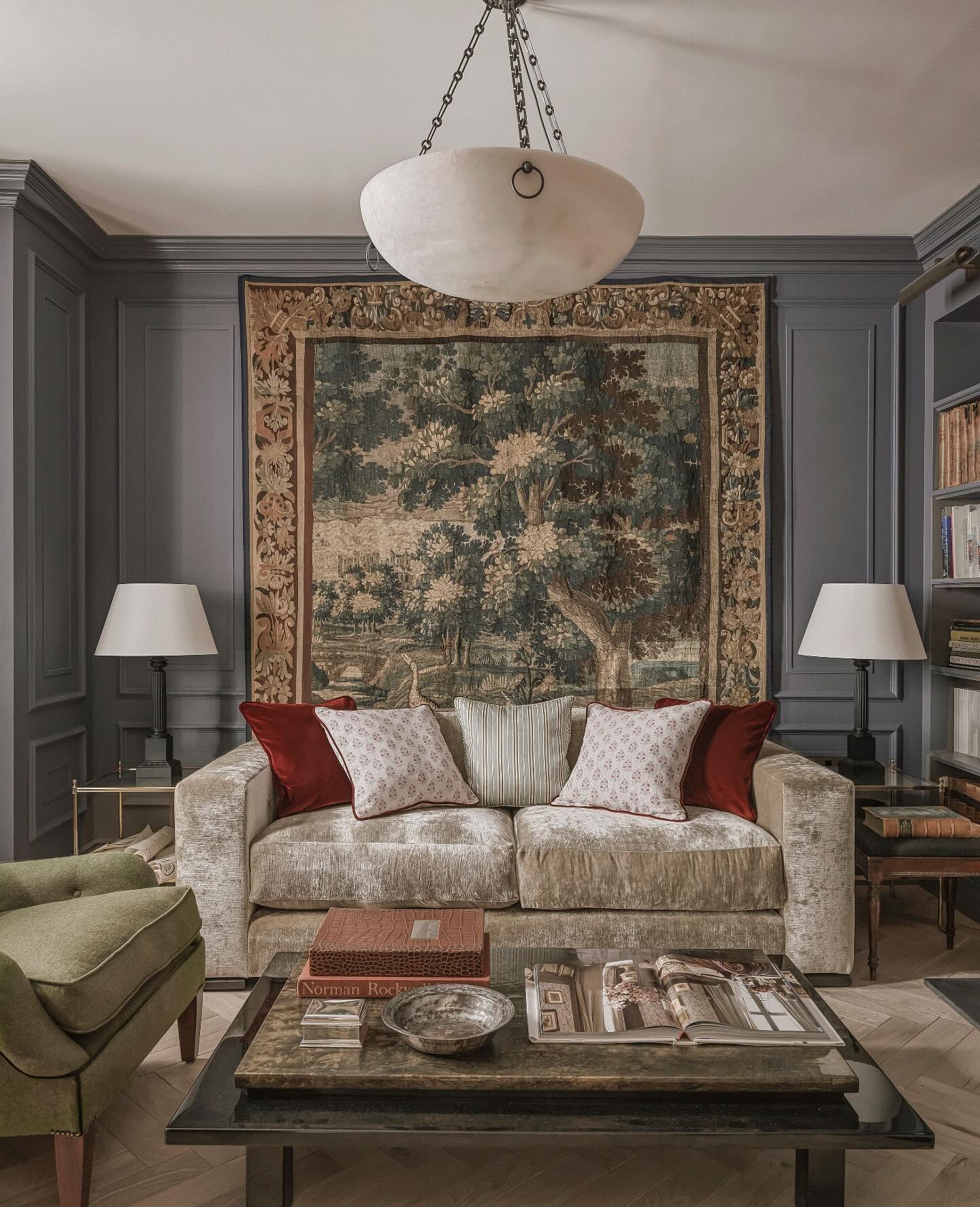
Photo Michael Aiduss Studio
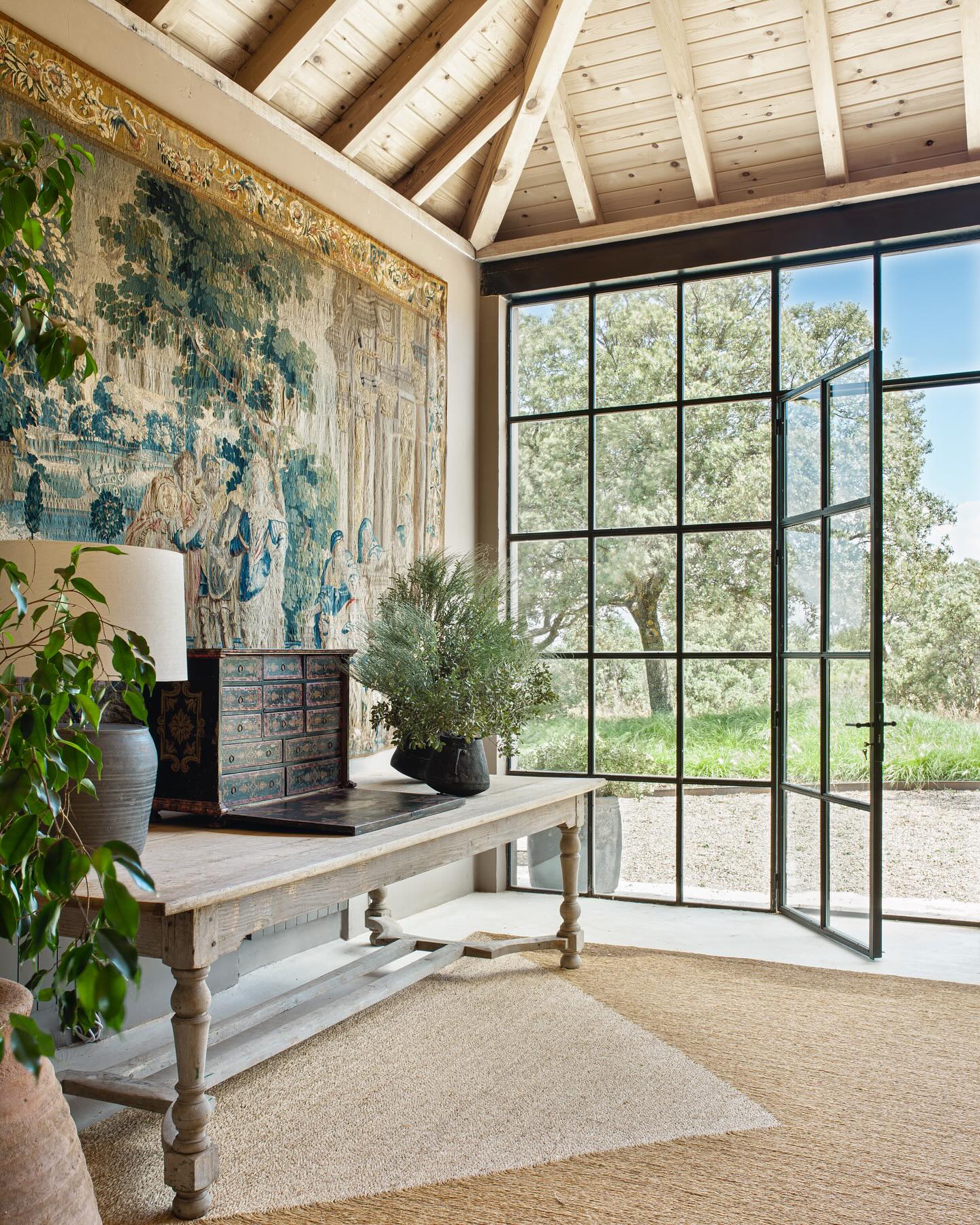
A large-scale tapestry can anchor a room just like a statement painting would. The difference? It brings softness and dimension.
Try hanging one:
Above a sofa
Behind a bed instead of a traditional headboard
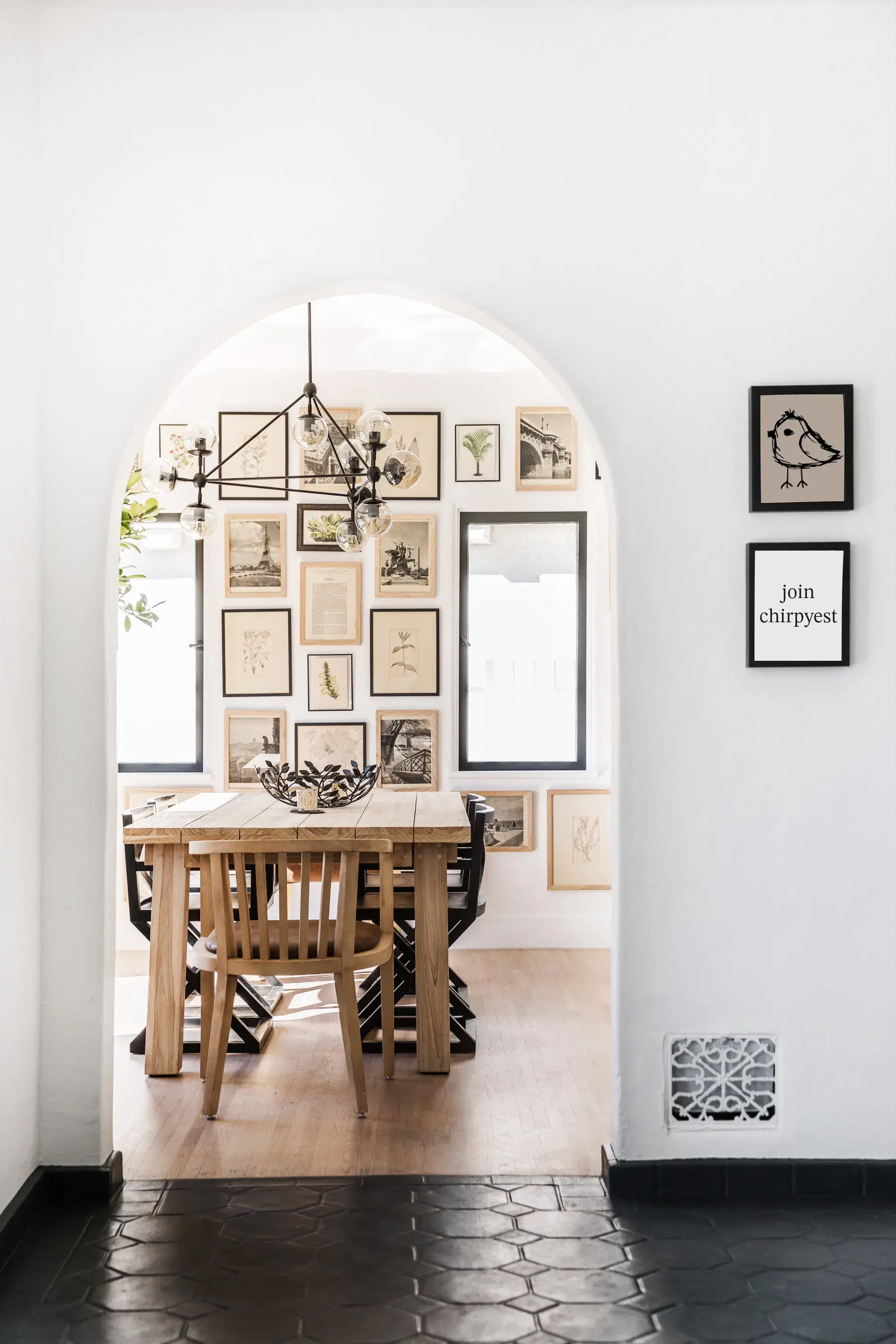
On a large blank wall in a dining room
The key is scale. A small tapestry on a large wall can feel lost. Go bold. Let it breathe. And allow the texture to contrast beautifully against clean walls and structured furniture.
2. Use Tapestry as a Headboard Alternative
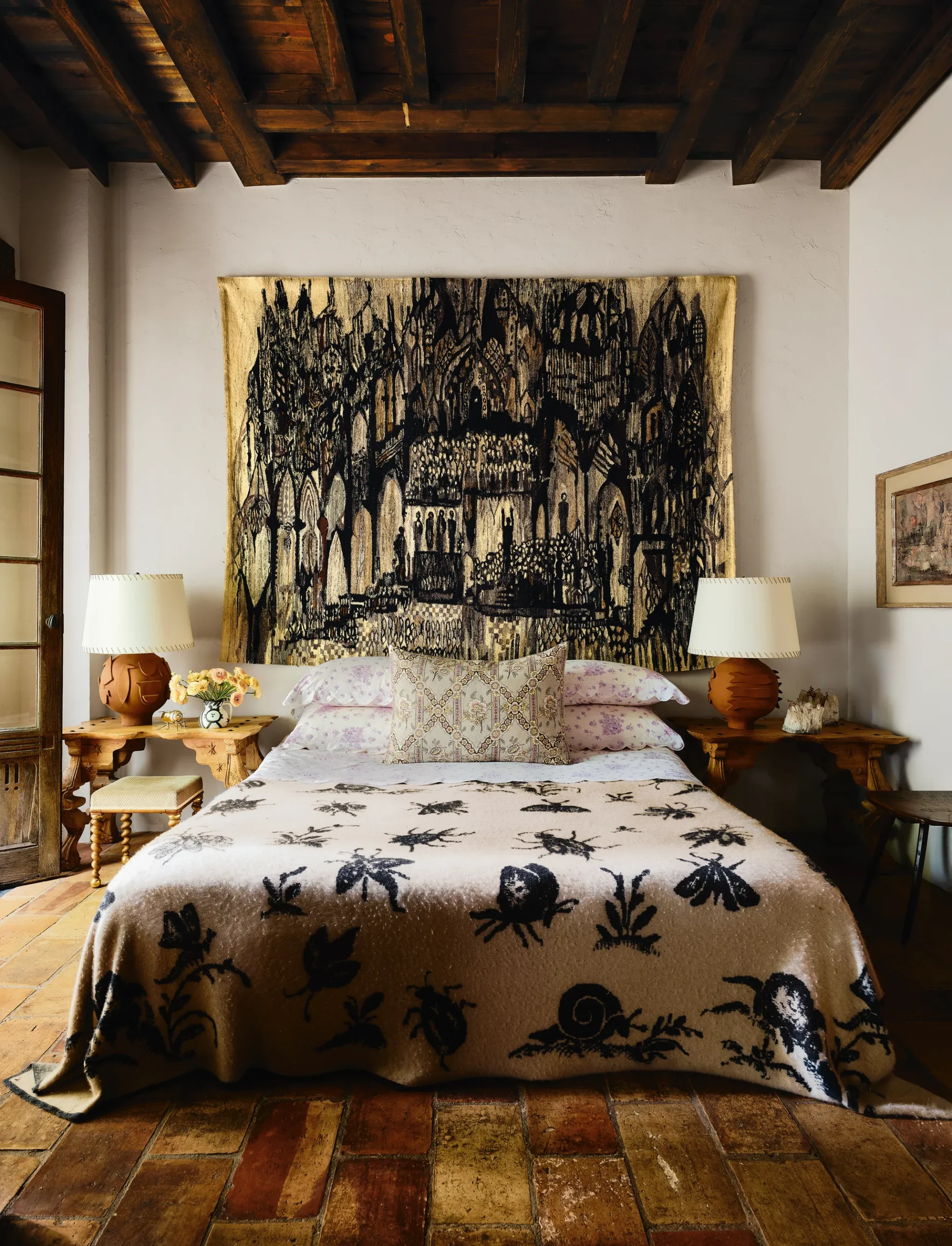
Photo Ceara Donnelley
One of my favorite ways to use a tapestry is behind the bed. It instantly softens the space and adds that layered, collected look without adding bulky furniture.
This works especially well in:
Rental homes
Small bedrooms
Guest rooms where you want impact without a full redesign
Choose a pattern that complements your bedding. If your linens are neutral, you can introduce subtle pattern. If your bedding is already patterned, go for something textural and tonal.
3. Layer It Over Furniture
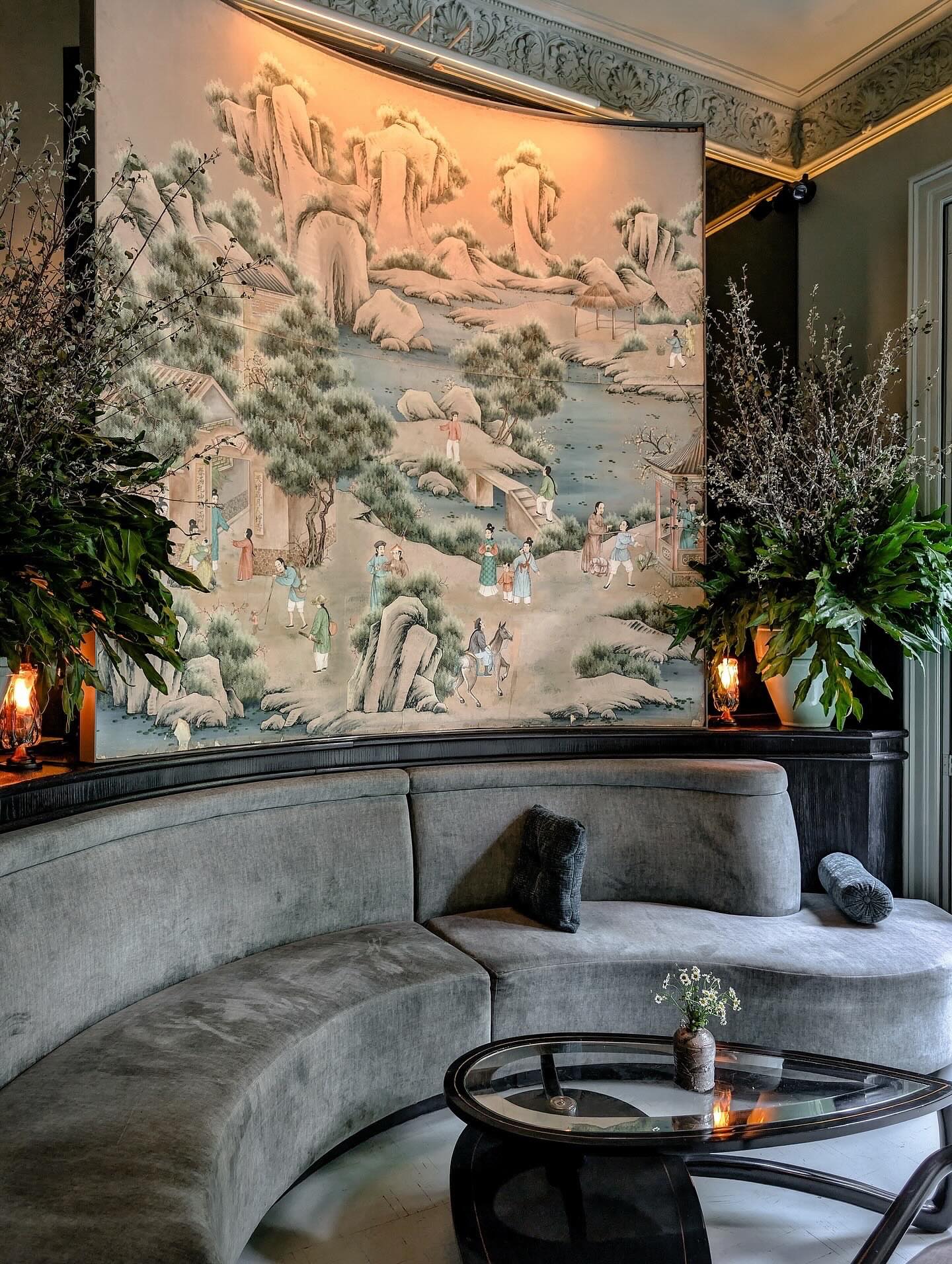
Photo Ashley Stark
Tapestries do not always have to live on walls.
Drape one casually over:
The back of a sofa
A reading chair
The end of a bench
This approach feels relaxed and lived-in. It works beautifully in eclectic, bohemian, and global-inspired interiors.
If you love the layered aesthetic seen in homes styled by designers like Justina Blakeney, this is an easy way to bring that same richness into your own space.
4. Frame It for a Polished Look
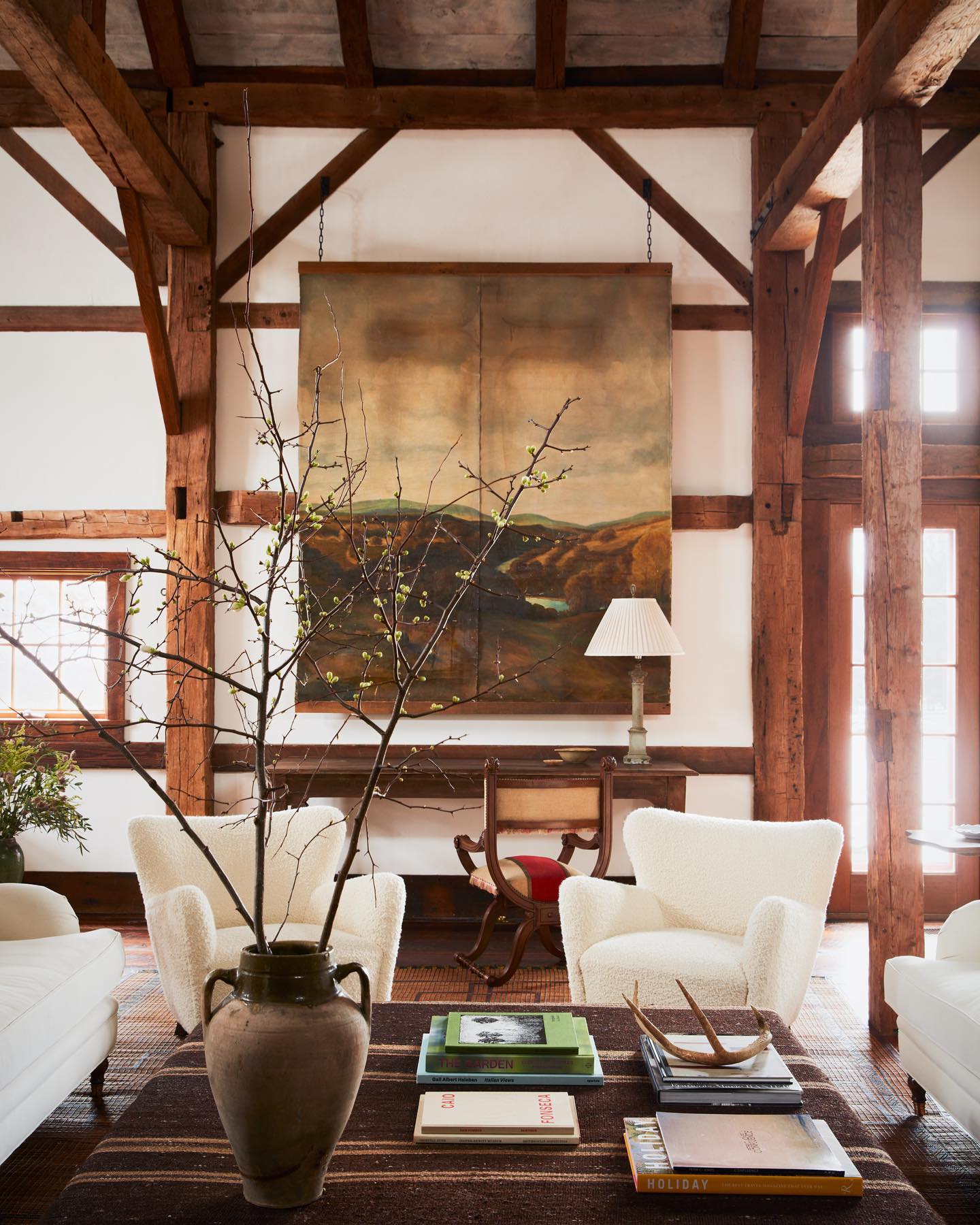
Photo Hadley Wiggins
Want something more refined?
Frame a smaller tapestry inside a floating frame or shadow box. This instantly elevates the piece and makes it feel intentional and art-forward rather than casual.
This method works beautifully in:
Modern homes
Transitional interiors
Spaces where you want texture without visual chaos
Framing also preserves delicate textiles and keeps them structured over time.
5. Create a Cozy Nook or Backdrop
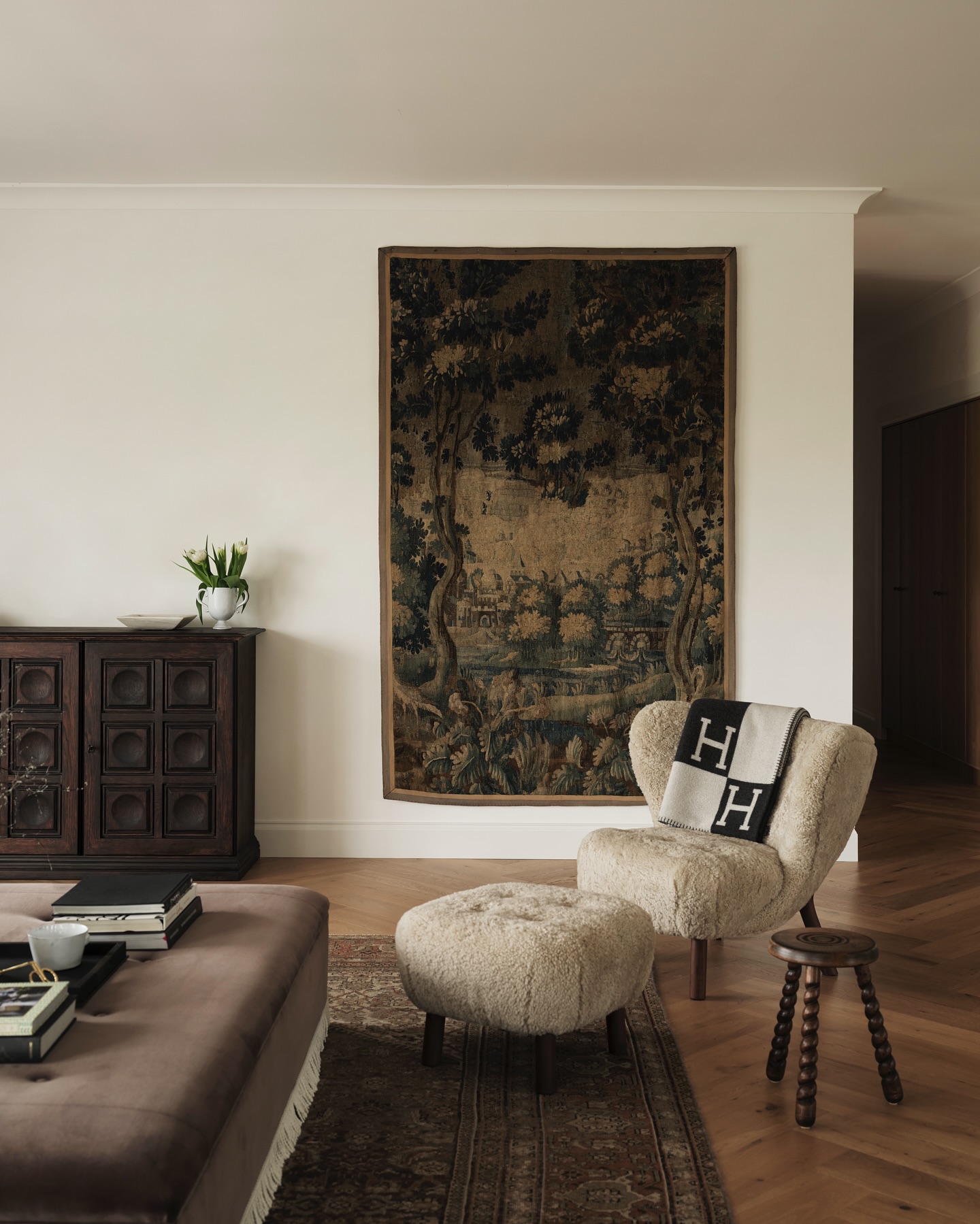
Photo Arabella Gardiner Design
A tapestry can define a space without building walls.
Hang one behind:
A desk to create a styled Zoom backdrop
- A reading chair to create a cozy corner
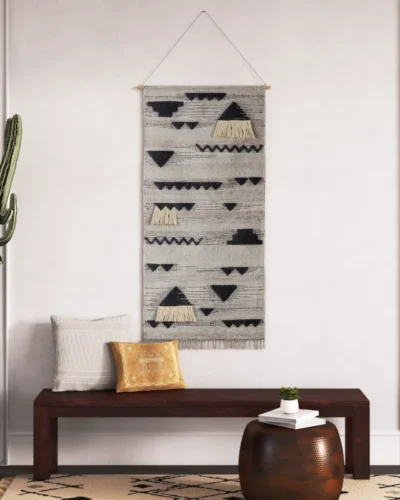
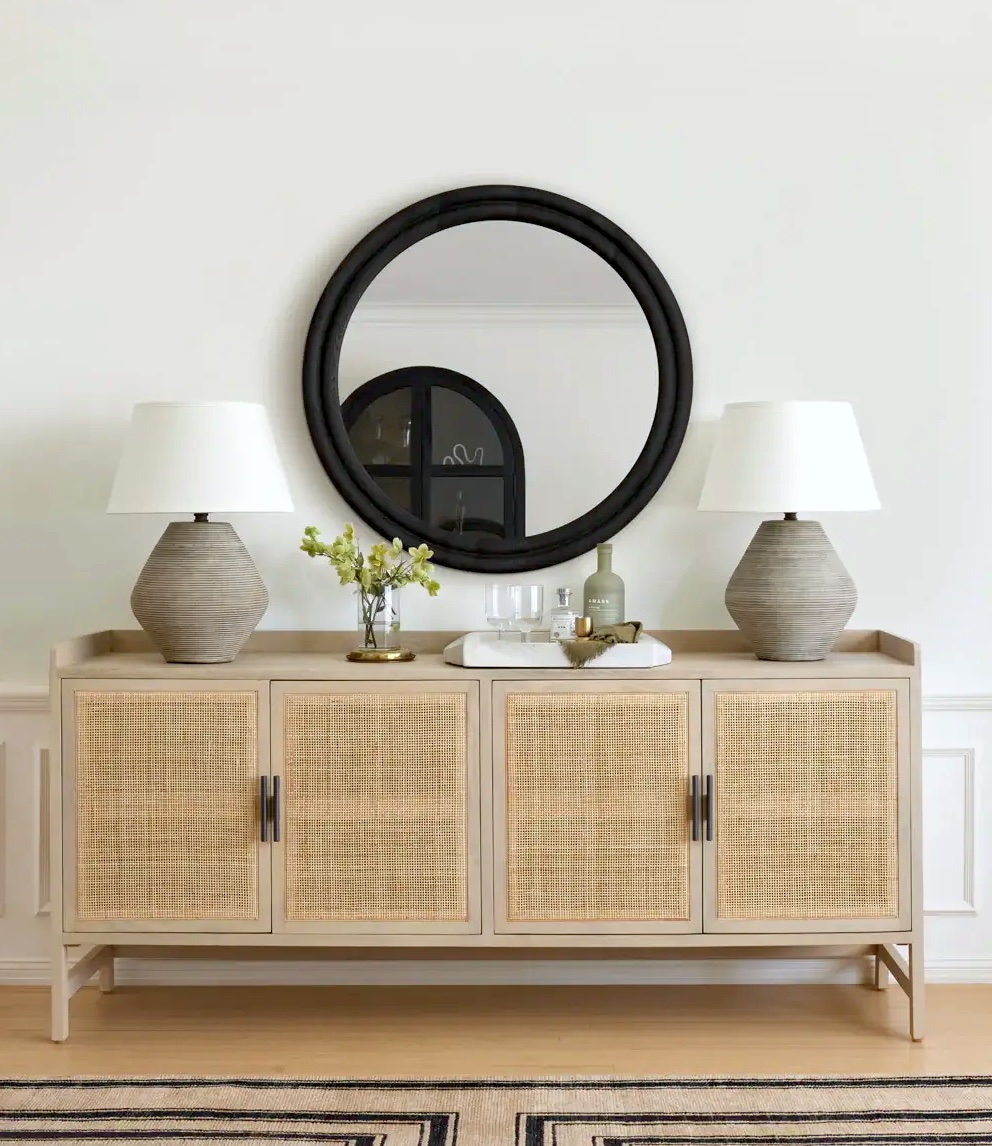
A console table in an entryway
It visually anchors the area and adds warmth, especially helpful in homes with open layouts where spaces need subtle definition.
6. Think Seasonally
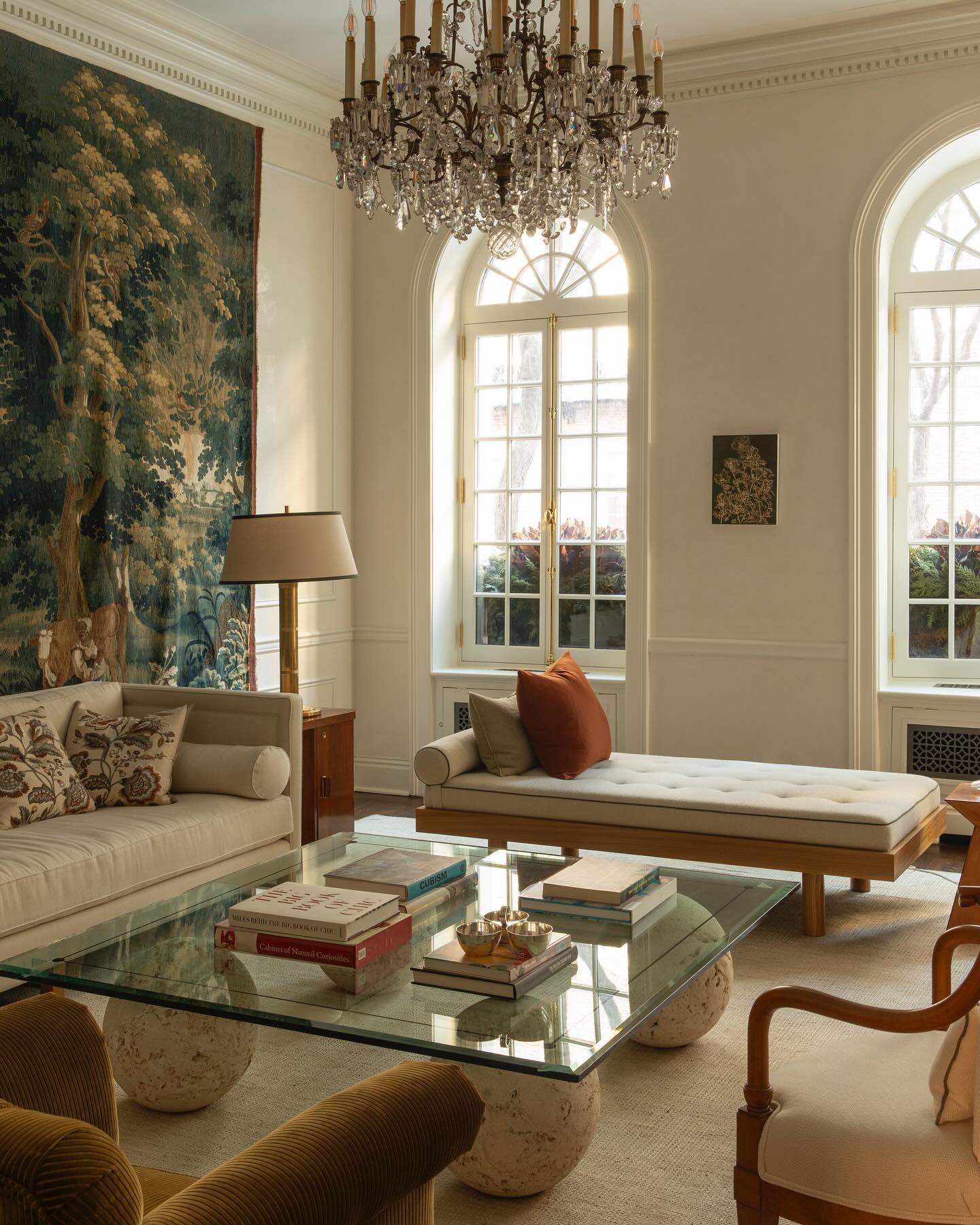
Photo Hadley Wiggins
Textiles are one of the easiest elements to swap throughout the year.
In spring and summer: try lighter fabrics, botanical prints, or soft neutrals.
- In fall and winter: lean into heavier weaves, deeper tones, and earthy patterns.
This approach keeps your home feeling refreshed without replacing large furniture pieces.
How to Choose the Right Tapestry
Before purchasing, consider:
Scale – Measure your wall first. Bigger often works better.
Color Palette – Pull from existing tones in your rug, pillows, or art.
Texture – Flat-woven feels graphic; heavily woven feels cozy and dimensional.
Style Alignment – Does it complement your overall aesthetic? Modern? Boho? Coastal? Traditional?
A tapestry should feel like it belongs, not like an afterthought.
Why Tapestries Work So Well in Modern Homes
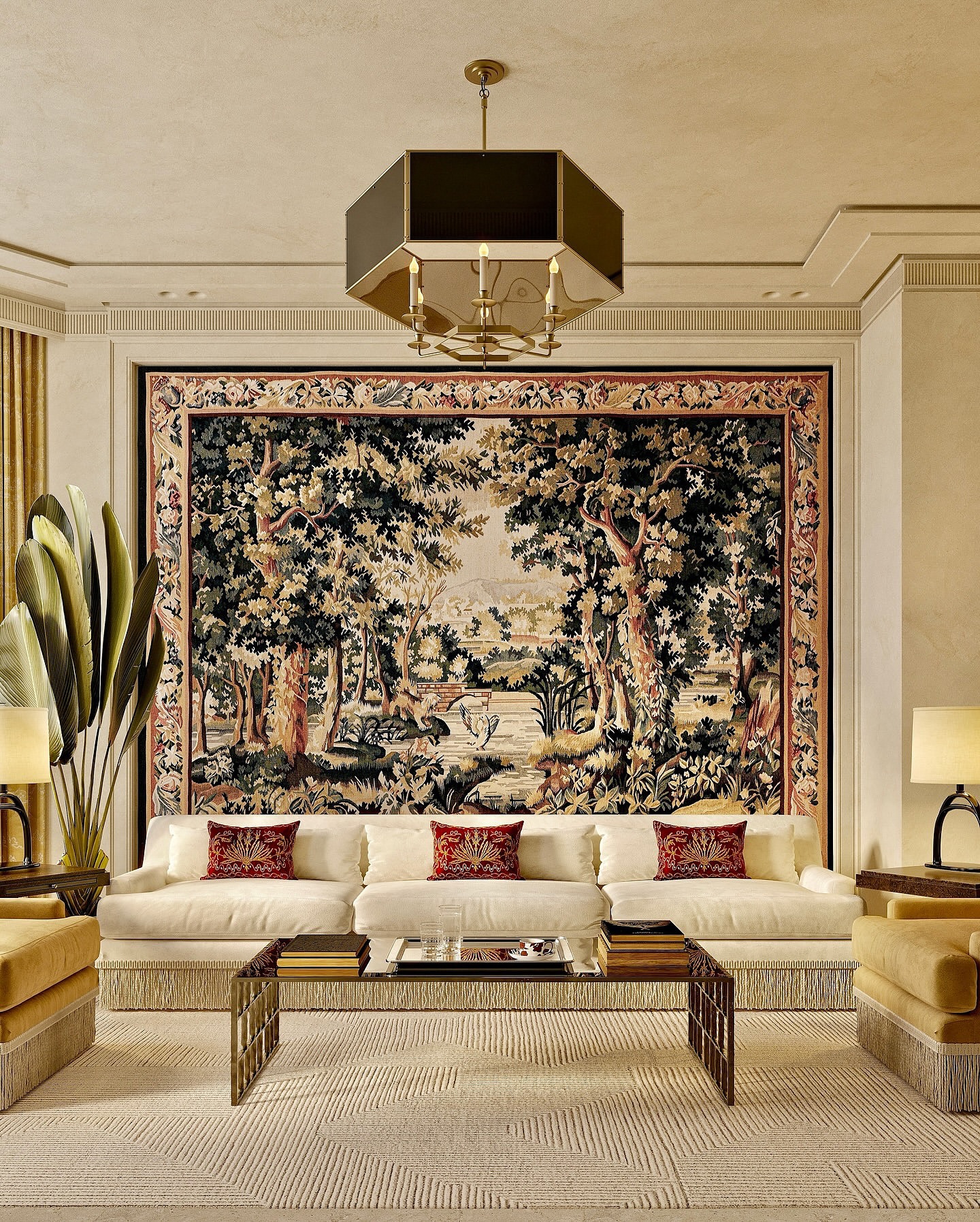
In today’s interiors, we’re seeing a shift away from overly sterile spaces. Homes are becoming warmer. More layered. More personal.
Textiles bring:
Acoustic softness
Visual depth
Cultural storytelling
Handcrafted character
And unlike paint or wallpaper, they are flexible. You can move them. Rearrange them. Restyle them.
That freedom is powerful.
Curated Tapestry Finds to Elevate Your Space
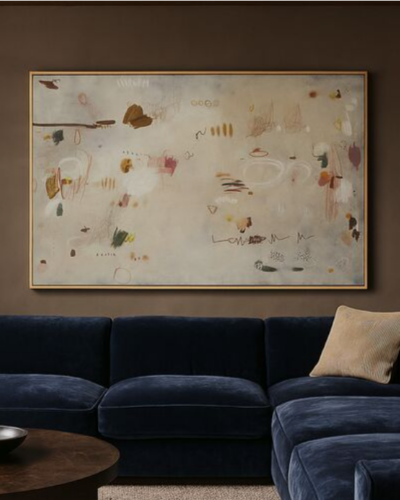
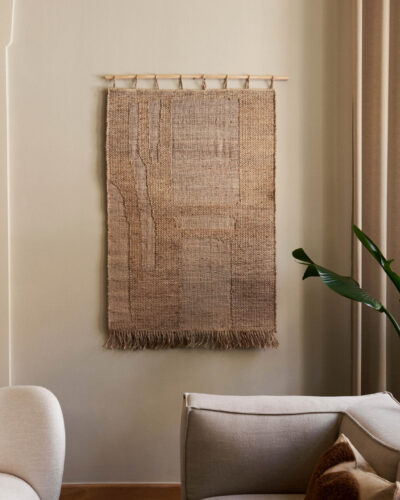
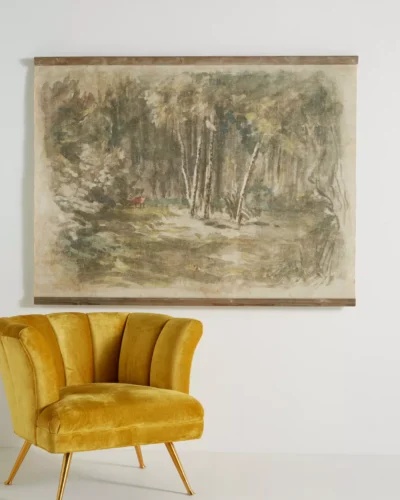
If you’re inspired to experiment with tapestries, start small and intentional. A neutral woven wall hanging for the bedroom. A bold, patterned textile for the living room. Or a framed fabric piece to add dimension to a gallery wall.
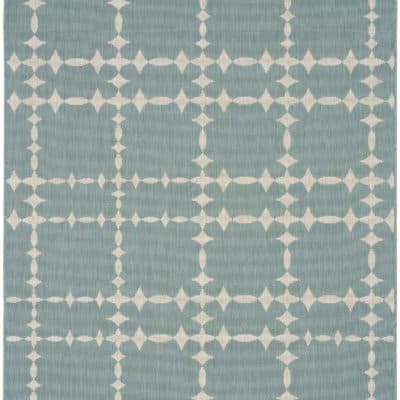
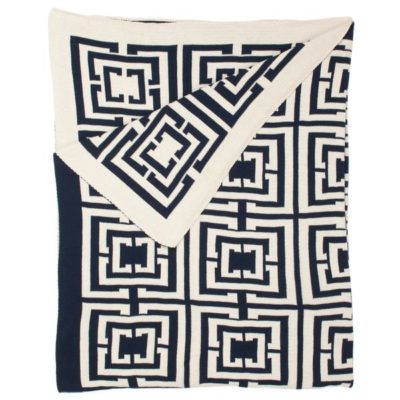
We curated some products for you below to make it easy to bring this look home, whether you’re layering in warmth, adding texture, or creating a statement moment.